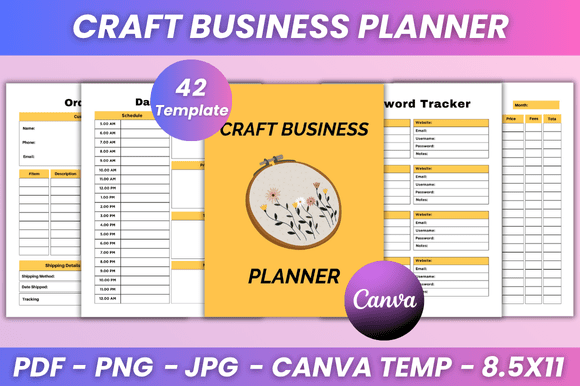
Craft Business Planner Kdp Interior
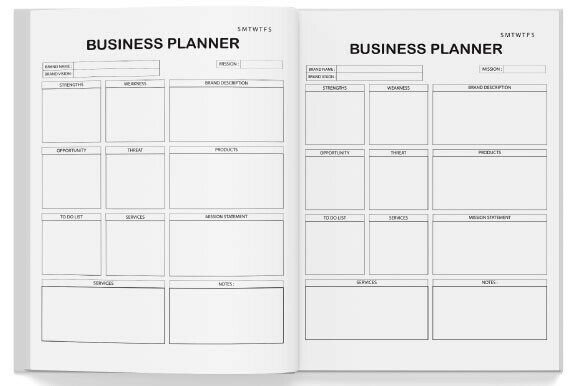
For makers, crafters, and small creative business owners, clarity isn’t a luxury—it’s operational leverage. The Craft Business Planner Kdp Interior is built not as a decorative notebook, but as a functional operating system for your craft-based enterprise. It’s a structured yet flexible framework—designed specifically for those who sell handmade goods, run Etsy shops, manage craft fairs, or scale from hobby to full-time income. Unlike generic planners, this interior template anticipates the real-world rhythms of creative work: fluctuating inventory, seasonal show schedules, tax-deductible material costs, customer follow-ups after markets, and the quiet labor behind every listing, photo, and invoice.
Why Structure Matters More Than Motivation
Motivation fades. Systems endure. When you’re juggling product development, photography, packaging, shipping, social promotion, and tax prep—all while maintaining artistic integrity—the Craft Business Planner Kdp Interior acts as your grounded reference point. It doesn’t ask you to “hustle harder.” Instead, it gives you space to decide *what* deserves attention *today*, *this week*, or *before next month’s craft fair*. That distinction—between urgent noise and strategic priority—is where real progress begins.
Each section serves a documented business need: the Craft Show Tracker helps you compare ROI across venues; the Inventory Log and Suppliers List reduce last-minute material shortages; the Tax Deduction Tracker captures receipts and categories before year-end chaos; and the Customer Follow-Up List transforms one-time buyers into repeat clients—not through automation, but through intentional, human-centered touchpoints.
How to Use the Craft Business Planner Kdp Interior Intentionally
Editing matters—but editing without purpose dilutes value. Since every Craft Business Planner Kdp Interior template is fully editable on Canva, you have unprecedented control over fonts, colors, layout, and visual hierarchy. But customization should serve function first. Ask yourself: What decision am I trying to support? If you’re preparing for a holiday market, highlight the Purchase Tracker, Product Planner, and Order Form. If you’re auditing profitability, prioritize the Sales Tracker, Income Tracker, and Marketing Budget spreadsheets.
Start with your current bottleneck. Is it inconsistent posting? Use the Content Promotion Tracker and Newsletter Planner to map themes, deadlines, and channel-specific assets. Struggling with pricing confidence? Work through the Price List and Budget Spreadsheet side-by-side—factoring in material cost, time, overhead, and perceived value—not just what others charge. The planner doesn’t give answers; it creates the conditions for better ones.
Print-Ready Clarity, Digitally Flexible
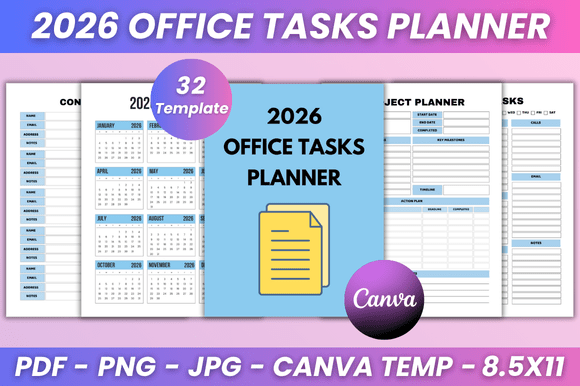
You’ll receive high-quality, print-ready 8.5 × 11 inch PDF files—optimized for crisp text, clean lines, and professional binding. But the Craft Business Planner Kdp Interior also includes JPG and PNG versions, so you can embed pages into digital workflows: paste the Daily Plan into Notion, overlay the Work Time Log on a tablet for studio use, or drop the Annual Overview into a shared drive for team alignment. This dual-format design bridges analog intentionality with digital adaptability—no forced trade-offs.
Strategic Use Cases Across Your Business Lifecycle
- Pre-launch phase: Use the Business Ideas and Goals Tracker to pressure-test concepts against feasibility and personal values—not just market trends. Pair this with the Product Planner to define minimum viable offerings before investing in materials or branding.
- Growth phase: Leverage the Affiliate Tracker and Customer Tracker to identify your most engaged advocates—and reward them meaningfully. The Content Promotion Tracker helps you align posts with sales cycles, not just calendar dates.
- Operational maturity: Rely on the Yearly Report and Expense Tracker to spot patterns: Which shows consistently deliver 3× ROI? Which materials inflate overhead without improving perceived quality? Let data—not memory—guide reinvestment.
Risks of Using the Craft Business Planner Kdp Interior Without Context
A beautifully edited planner won’t compensate for unclear goals. Filling out the To-Do List daily while ignoring the Goals Tracker leads to motion without momentum. Populating the Password Tracker and Contact List is useful—unless you haven’t defined *who* needs follow-up or *why* that relationship matters strategically. Similarly, tracking expenses without linking them to outcomes (e.g., “$240 spent on Instagram ads → 12 new email subscribers”) turns data into noise.
The risk isn’t in using the Craft Business Planner Kdp Interior—it’s in treating it as a checklist rather than a thinking tool. Its power emerges when you pause before filling a page: What outcome do I want this section to influence? What decision will be clearer because I completed it?
Design Choices That Support Real Work
This isn’t a minimalist aesthetic exercise. Every included feature exists because craft entrepreneurs repeatedly cite it as a gap: the Invoice template includes fields for itemized materials and labor hours—not just totals; the Newsletter Planner separates subject lines, preview text, and CTAs so you refine each element deliberately; the Work Time Log distinguishes creative time, admin time, and learning time—revealing where energy actually goes, not where you wish it went.
Even the three dedicated Notes pages aren’t filler. They’re spaced intentionally—after the Planner Notes section, at the end of key modules, and before the Thank You page—to capture insights mid-process, not just at the end of the day. That spacing reflects how learning happens: in moments of friction, connection, or surprise—not only during scheduled reflection.
Long-Term Value Beyond the First Print
Your business evolves. So should your tools. Because the Craft Business Planner Kdp Interior comes with an editable Canva link, you’re not locked into a static version. Add a new tab for wholesale onboarding. Swap the Craft Show Tracker for a Pop-Up Retail Tracker. Replace the default color palette with your brand’s secondary tones to reinforce visual consistency across touchpoints. This adaptability means the planner grows with your capacity—not just your to-do list.
Over time, patterns emerge: recurring bottlenecks surface in the Daily Planner; seasonal demand shifts clarify in the Annual Overview; customer feedback loops tighten via the Follow-Up List. That longitudinal insight—the ability to compare Q3 2024 with Q3 2023 inside the same system—is where the Craft Business Planner Kdp Interior delivers compounding returns. It becomes less of a planner and more of a living archive of your business intelligence.
Final Thought: Tools Serve Strategy, Not the Other Way Around
The Craft Business Planner Kdp Interior succeeds only when aligned with your actual priorities—not someone else’s definition of “productivity.” Don’t fill every tracker because it’s there. Start with one section that directly supports your next meaningful decision: pricing a new collection, evaluating a craft fair application, or restructuring your marketing spend. Let that single use build confidence. Then expand—not to check more boxes, but to deepen your understanding of what drives sustainable, values-aligned growth.
Clarity begins with constraint. Focus begins with selection. And growth begins when your tools stop asking you to keep up—and start helping you choose well.