2026 the Ultimate Self-Care Planner
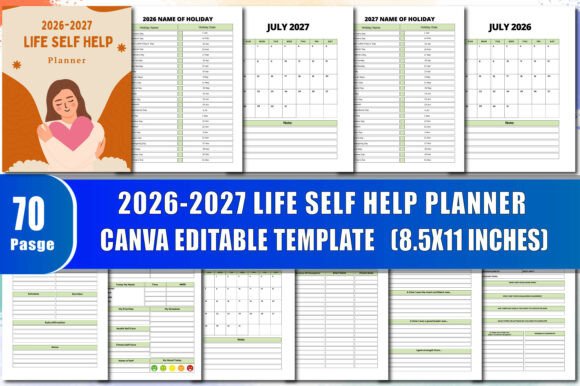
Self-care isn’t just bubble baths and affirmations—it’s intentional structure, consistent reflection, and tools that adapt to your real life. The 2026 the Ultimate Self-Care Planner meets that need with thoughtful design and practical flexibility. Whether you're launching a KDP product, building a client resource, or supporting your own mental and physical wellness, this planner bridges intention and action—without demanding extra time or design expertise.
Designed for Real Routines, Not Idealized Ones
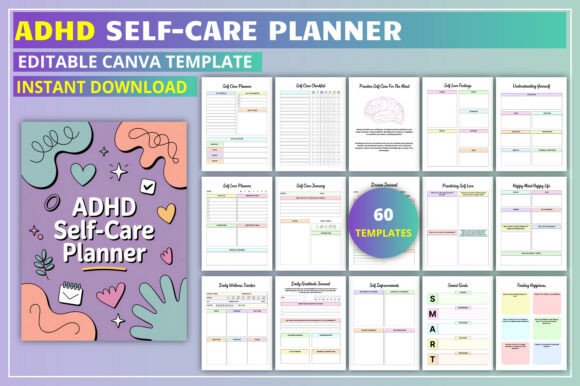
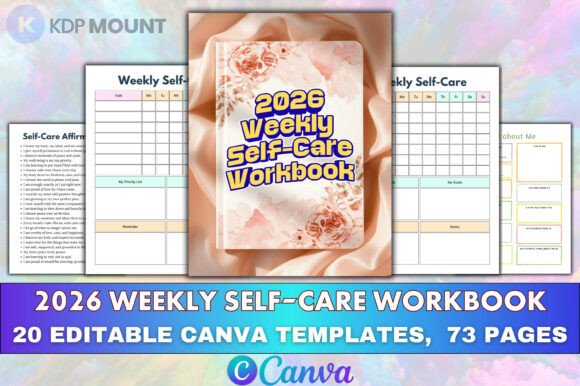
Many planners assume you’ll follow rigid templates: one habit tracker, one gratitude prompt, one weekly layout—and that’s it. But life rarely fits a single format. A teacher may need space to reflect after emotionally taxing days; a freelance designer might juggle deadlines while managing chronic fatigue; a new parent could benefit from micro-self-care prompts that fit between feedings. The 2026 the Ultimate Self-Care Planner includes layered, purpose-built sections—like the Weekly Skincare Tracker (2 unique pages) and Weekly Self-Care Habits (2 unique pages)—so users can choose what resonates *now*, not what looks good on Instagram.
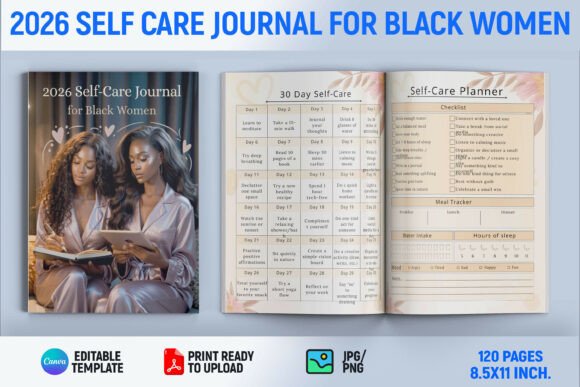
The Daily Skincare Routine page, for example, works as both a gentle reminder and a low-stakes accountability tool—ideal for someone rebuilding routine after burnout. Meanwhile, the Pampering Checklist avoids vague language (“treat yourself”) and instead lists concrete, accessible options: “10-minute guided breathwork,” “rearrange desk with plants,” “call a friend who listens.” That specificity reduces decision fatigue—the very thing self-care is meant to ease.
Why Creators and Publishers Choose This Template
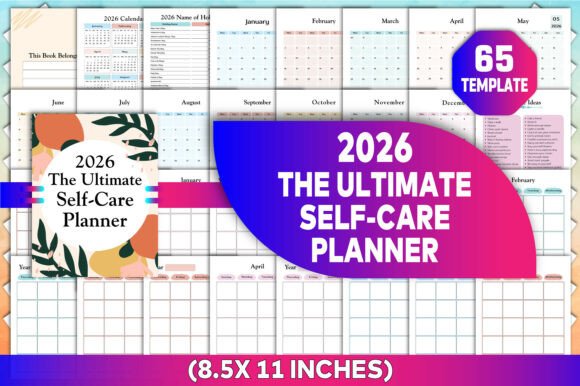
KDP creators often face two hurdles: producing print-ready interiors that meet Amazon’s strict formatting requirements, and designing content that stands out in a saturated planner market. The 2026 The Ultimate Self-Care Planner KDP Creations with Customizable Canva Templates solves both. Its 8.5 x 11 inch US Letter size and 300 DPI resolution ensure crisp printing across paperback and hardcover formats—no last-minute resizing or blurry text. And because all 65 interior templates are fully editable in Canva, you’re not locked into static layouts. You can adjust fonts for readability, swap icons to match brand voice, or reposition sections to highlight your unique angle—say, adding a “Therapist-Approved Boundary Builder” spread for a mental health-focused edition.
For educators or coaches, this means turning the Self-Care Journal and Notes pages into guided reflection tools for workshops. For bloggers launching a digital product bundle, the Editable Canva Template lets them add custom headers, embed QR codes linking to video tutorials, or layer in their own illustrations—all without hiring a designer.
More Than Tracking—It’s Pattern Recognition
Self-care gains momentum when we notice what actually works—not what we think *should* work. The Gratitude Tracker, Wellness Goals, and Self-Care Calendar aren’t isolated pages. Used together over months, they reveal patterns: Do energy levels dip midweek unless meal prep happens Sunday? Does gratitude logging feel meaningful only when paired with a short walk? The planner’s intentional spacing—like including blank lines beside each affirmation in the Positive Affirmations section—creates room for personalization and observation, not just passive checking off.
This matters especially for professionals managing high-stakes roles. A nurse using the Weekly Meal & Exercise Plan alongside the To-Do List might discover that scheduling movement *before* shift changes—not after—leads to better adherence. That insight wouldn’t surface in a generic planner with no built-in cross-reference points.
Who Benefits Most—and When It Might Not Fit
This planner shines for people who value clarity over complexity: solopreneurs balancing business and wellbeing, therapists creating client handouts, small publishers building niche wellness collections, or anyone tired of assembling disjointed PDFs from five different sources. Its strength lies in cohesion—every section supports the others, and every file (PDF, JPG, PNG) serves a distinct purpose: PDF for printing, PNG for social media previews, JPG for email thumbnails.
That said, it’s not ideal for users seeking ultra-minimalist layouts or those needing bilingual or non-Latin script support—there’s no built-in translation layer or RTL formatting. If your audience primarily uses mobile-first digital planners, consider supplementing the Canva files with a Notion version (not included). And while the 65 templates cover broad wellness needs, highly specialized niches—like postpartum recovery or ADHD-specific executive function support—may require custom additions.
Time Saved Is Energy Preserved
Designing a planner from scratch takes dozens of hours—even for experienced Canva users. Sourcing fonts, aligning margins, testing bleed areas for KDP, exporting correctly… it adds up. With the 2026 the Ultimate Self-Care Planner, those foundational decisions are already made. What remains is meaningful customization: choosing which self-care ideas resonate most, adjusting goal-setting prompts to reflect current priorities, or adding your logo to the “This Book Belongs To” page. That shift—from technical setup to intentional creation—frees up mental bandwidth for what matters: helping people show up more fully for themselves.
One freelance writer used the Create Self-Care Plan spread to draft her first-ever boundary framework—then turned that same layout into a lead magnet for her email list. Another small press adapted the 2026 Calendar and Monthly Planner pages to launch a limited-run “Creative Recharge” journal for artists—adding illustration prompts in the margins. These aren’t edge cases. They’re realistic outcomes when structure supports creativity, not constrains it.
A Tool That Grows With You
Planners often become outdated by March—not because they’re poorly made, but because they don’t allow for evolution. The 2026 the Ultimate Self-Care Planner avoids that trap. Its modular design means you’re not stuck with January’s layout in November. Swap the Weekly Planner (Mon–Sun) for the Monthly Planner if your schedule shifts to project-based blocks. Use the Notes section to capture insights that later become blog posts or course modules. Even the Thank You page at the end doubles as a space to jot down lessons learned—a quiet, reflective bookend to the year ahead.
In a world where self-care is too often reduced to consumption, this planner offers something quieter but more durable: permission to define it your way—and the practical scaffolding to do so, consistently, without burnout.